Digital India Programme 2026: Objectives, Benefits & Schemes
The Digital India Programme is transforming how citizens access government services, digital documents, online education and other essential facilities. Explore its objectives, nine pillars, major initiatives, benefits and the official platforms you can use in 2026.
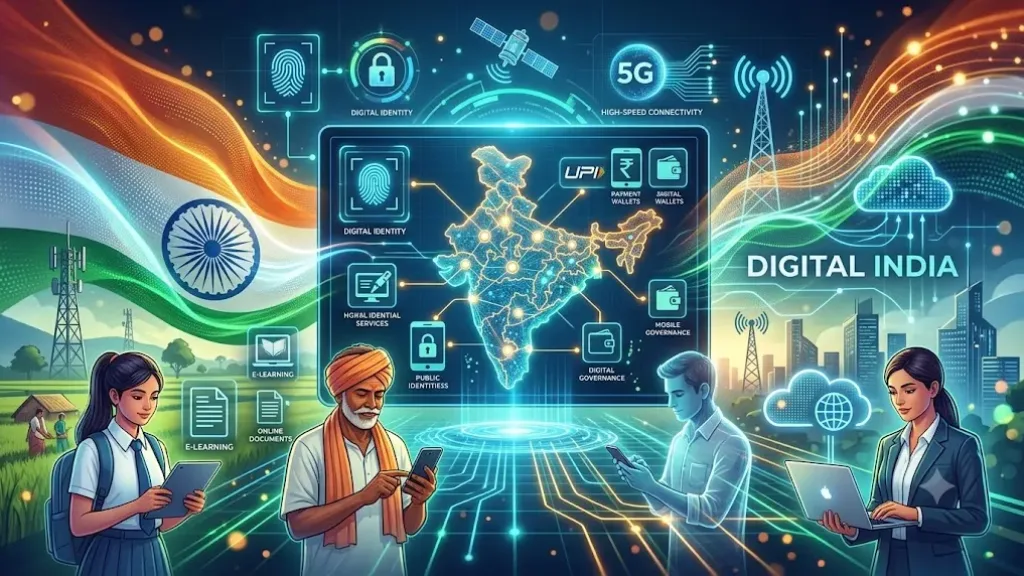
Think about the last time you downloaded an important document, checked an application status online or used your phone to access a government service. Tasks that once involved paperwork and repeated visits to offices are increasingly moving to digital platforms. This shift is a major part of India's digital transformation.
The Digital India Programme 2026 continues to play an important role in the country's efforts to make technology more accessible and government services easier to use. Launched in July 2015, the programme aims to build a digitally empowered society and a knowledge-based economy.
From digital document storage and online public services to internet connectivity and digital skills, the programme covers several areas that affect students, working professionals, businesses and ordinary citizens. In this guide, we explain its objectives, major initiatives, benefits and how you can use relevant digital services in 2026.
What Is the Digital India Programme 2026?
Digital India is a flagship programme of the Government of India, led by the Ministry of Electronics and Information Technology (MeitY). It was launched on 1 July 2015 to improve digital infrastructure, expand access to government services and empower citizens through technology.
Rather than being a single scheme with one application form, Digital India is an umbrella programme that brings together multiple initiatives across government departments. These initiatives support online service delivery, digital literacy, internet access, electronic documents, digital payments and technology-driven development.
The programme's broader vision is built around three areas:
- Digital infrastructure for every citizen: Improving connectivity and access to essential digital facilities.
- Governance and services on demand: Making public services easier to access through online and mobile platforms.
- Digital empowerment of citizens: Helping people use digital resources, access information and participate in the digital economy.
In 2026, the programme remains relevant as more public services and everyday activities rely on digital platforms. The exact eligibility, fees and procedures depend on the individual service or scheme.
Official website: https://www.digitalindia.gov.in/
Objectives of the Digital India Programme
The programme focuses on making technology useful in people's daily lives rather than treating digital development as an end in itself. Its key objectives include:
1. Improve internet connectivity
Reliable internet access is essential for online education, digital payments, employment opportunities and public services. Digital India supports efforts to extend digital connectivity to rural and underserved areas.
2. Make government services accessible online
Online platforms can help citizens obtain information, submit applications, access documents and track certain requests without always visiting an office in person.
3. Promote digital literacy
Access to technology is only part of the solution. People also need to understand how to use digital services, recognise online risks and protect their personal information.
4. Encourage electronic service delivery
Digital systems can reduce repetitive paperwork and make interactions with government departments more convenient. The effectiveness of a service still depends on its design, availability and implementation.
5. Support employment and digital skills
Technology skills can help students and job seekers prepare for opportunities in software development, digital services, electronics, data-related work and other technology-enabled fields.
6. Strengthen the digital economy
Digital infrastructure and accessible online services can support entrepreneurs, businesses and innovation while helping more people participate in economic activities.
The Nine Pillars of the Digital India Programme
The original Digital India framework identified nine pillars to organise its major areas of work. Together, they cover connectivity, public services, information access, skills and technology development.
1. Broadband Highways
This pillar focuses on improving broadband infrastructure and connectivity. Stronger networks help public institutions, businesses and citizens use digital services more effectively.
2. Universal Access to Mobile Connectivity
Mobile connectivity is particularly important in areas where access to other forms of internet infrastructure is limited. Expanding coverage helps more people access online information, communication tools and digital services.
3. Public Internet Access Programme
Common Service Centres (CSCs) and other public access points can help people use digital services when they do not have suitable devices, connectivity or the confidence to complete an online process independently.
4. e-Governance: Reforming Government through Technology
This pillar focuses on improving government processes through technology. Simplified applications, electronic records and better coordination between departments can make public services easier to navigate.
5. e-Kranti: Electronic Delivery of Services
e-Kranti promotes technology-enabled service delivery in areas such as education, healthcare, agriculture, financial inclusion and justice. The aim is to make useful services more accessible through digital systems.
6. Information for All
Citizens need timely and accessible information about public programmes, policies and services. Digital communication channels and government information portals help people find relevant information and engage with public institutions.
7. Electronics Manufacturing
This pillar supports the broader objective of developing India's electronics manufacturing capabilities. A stronger electronics ecosystem can support innovation, domestic production and technology-related economic activity.
8. IT for Jobs
Digital development also requires people with relevant skills. This pillar highlights the importance of IT-related training, digital capabilities and employment opportunities connected to the technology sector.
9. Early Harvest Programmes
Early Harvest Programmes covered initiatives intended to deliver practical digital improvements, including electronic communication, digital attendance systems and other technology-based administrative measures.
These nine pillars form the programme's original framework. Individual initiatives and their implementation may evolve over time.
Read more: The official nine pillars of Digital India.
Major Digital India Initiatives You Should Know About in 2026
Several digital platforms associated with the wider Digital India ecosystem help citizens access documents, government services and public information. Here are some useful examples.
1. DigiLocker
DigiLocker is a digital document platform under MeitY. It allows users to access eligible documents issued by participating organisations and store or share documents through a digital account.
Depending on the issuing organisation and available integration, users may be able to access documents such as educational certificates, driving licences and other official records.
Who may benefit? Students, job applicants and citizens who need to retrieve or share eligible digital documents.
2. UMANG
UMANG, short for Unified Mobile Application for New-age Governance, provides access to participating central and state government services through a digital platform.
Instead of navigating many separate websites, users can explore services available through UMANG and follow the relevant instructions. The services offered depend on the department and current platform integrations.
Who may benefit? Citizens looking for convenient access to supported public services.
3. Common Service Centres (CSCs)
Common Service Centres provide access to selected digital and government-related services, particularly for people who need assistance using online systems. Services vary by centre and location.
For individuals with limited internet access or digital experience, a CSC can provide practical assistance with eligible services and online processes.
4. BharatNet
BharatNet is an important connectivity initiative aimed at expanding broadband infrastructure to rural areas, particularly through Gram Panchayats. Better connectivity can support online education, digital governance and other internet-based services.
Actual broadband availability and service quality vary by location. Residents should check the options available in their area.
5. MyGov
MyGov provides a digital platform for citizen engagement with government initiatives. Depending on current activities, users may find discussions, surveys, tasks and opportunities to share ideas or feedback.
It is useful for citizens who want to learn about public initiatives and participate in eligible engagement activities.
6. Digital payments and public digital infrastructure
India's wider digital ecosystem includes systems that support electronic payments and digital service delivery. UPI, for example, enables users to make eligible bank-to-bank payments through supported applications.
Although several digital public infrastructure initiatives complement Digital India's broader objectives, each has its own operating rules, service providers and user requirements.
Latest Digital India Updates for 2026
Digital India continues to evolve as government departments expand and improve digital public services. Two useful developments illustrate the scale of this ecosystem.
- UMANG: A Ministry of Electronics and Information Technology update published in August 2026 reported approximately 2,575 central and state services available on the platform as of 31 July 2026.
- DigiLocker: The same update reported more than 72.43 crore registered users as of 31 July 2026, demonstrating the extensive use of digital document services.
These figures describe the platforms' reported reach at the stated date. They should not be interpreted as the number of people eligible for a particular government benefit or as a guarantee that every service is available to every user.
Source: Press Information Bureau: Digital public service delivery through UMANG and DigiLocker.
Benefits of the Digital India Programme for Citizens
The programme's impact is best understood through the practical ways digital access can improve everyday activities.
Convenient access to services
Where online services are available, citizens may be able to submit information, retrieve documents or check application details without making repeated trips to government offices.
Less dependence on physical paperwork
Digital document platforms can make it easier to access and share eligible electronic records. Users should still check which document formats and issuing authorities are accepted for a particular purpose.
Better access to learning resources
Internet connectivity allows students to explore online courses, educational resources and skill-development opportunities. The quality of access depends on connectivity, devices, language support and digital skills.
Opportunities for students and job seekers
Students can use digital platforms to discover learning resources, prepare for technology-related careers and access selected public services. Job seekers may also benefit from online applications and digital document access.
Support for rural communities
Connectivity initiatives and public access centres can help rural residents reach services that might otherwise require additional travel. However, infrastructure gaps and local service availability remain important considerations.
Support for businesses and innovation
Digital infrastructure can make it easier for businesses to interact with customers, use online services and develop technology-enabled products. Its wider benefits depend on reliable systems, security and meaningful access.
Who Is Eligible for the Digital India Programme?
Digital India is an umbrella programme rather than one benefit scheme with a single eligibility test. Therefore, there is no universal application form or one eligibility rule that applies to every initiative under its name.
Eligibility depends on the particular service or scheme:
- Digital document services: Users must meet the relevant platform's registration and verification requirements.
- Government services through UMANG: Requirements depend on the service and the department providing it.
- Common Service Centres: Access depends on the services offered at the relevant centre and any conditions attached to them.
- Digital literacy or training initiatives: Eligibility, where applicable, depends on the specific programme and its current guidelines.
- Employment and skill-development opportunities: Applicants must follow the requirements published by the relevant provider.
Before applying for any specific benefit, check its official guidelines. Do not assume that joining one Digital India platform automatically qualifies you for another scheme.
How to Access Digital India Services Online
If you want to start using digital government services, follow these practical steps.
Step 1: Identify the service you need
Decide whether you want to access a digital document, find a government service, obtain information or explore a skill-development opportunity.
Step 2: Visit the official platform
Use the relevant government website, such as DigiLocker, UMANG or MyGov. For an overview of the programme, begin at the official Digital India website.
Step 3: Create an account if required
Some platforms require registration, a mobile number, identity verification or other information. Follow only the requirements shown on the official website.
Step 4: Find the relevant service
Use the platform's search options or service categories to locate the service you need. Read the instructions before submitting information.
Step 5: Submit the required details
Provide accurate information and upload documents only when required. Check the details before submitting an application or request.
Step 6: Save the reference details
If the platform provides an application number, receipt or confirmation, keep it for future reference. Use the official tracking facility when one is available.
Remember that different services may have different fees, processing times, eligibility rules and support channels.
Challenges Facing Digital India
Digital transformation creates opportunities, but it also requires continued attention to practical challenges.
- Unequal internet access: Connectivity and network quality are not the same everywhere.
- Digital literacy: Some people need help learning to use websites, apps and online forms safely.
- Language barriers: Digital information should be understandable and accessible to people who use different Indian languages.
- Cybersecurity risks: Phishing, fake websites and fraudulent calls can expose users to financial or personal-data loss.
- Privacy and data protection: Digital services need responsible handling of personal information and appropriate security measures.
- Accessibility: Platforms should work for people with disabilities and users with different devices or levels of digital experience.
Addressing these challenges is essential if digital services are to benefit people across different regions, age groups and economic backgrounds.
Safety Tips for Using Digital Government Services
Convenience should not come at the expense of security. Keep these points in mind when using online services:
- Check the website address before entering personal information.
- Use official government websites and verified applications.
- Never share an OTP, password, banking PIN or other confidential authentication details with an unknown person.
- Avoid clicking suspicious links in messages that promise guaranteed benefits or urgent payments.
- Use strong, unique passwords and secure your mobile device.
- Read the service's privacy information before submitting personal documents.
- Contact the relevant official support channel if you suspect fraud or unauthorised access.
Frequently Asked Questions (FAQs)
1. What is the Digital India Programme?
Digital India is a flagship programme of the Government of India launched in July 2015. It aims to improve digital infrastructure, deliver government services electronically and empower citizens through technology.
2. What is the main objective of Digital India in 2026?
Its broader objectives remain focused on digital infrastructure, accessible public services and citizen empowerment. Individual initiatives may evolve as technology and public-service requirements change.
3. Who can benefit from the Digital India Programme?
Citizens, students, job seekers, businesses and public institutions may benefit from relevant initiatives. Eligibility and access depend on the individual service or scheme.
4. Is there a single registration form for Digital India?
No. Digital India covers multiple initiatives. Users must register separately on the relevant platform or apply through the process specified for a particular service, when registration is required.
5. Is DigiLocker part of Digital India?
Yes. DigiLocker is a flagship initiative of MeitY under the Digital India programme. It helps users access and share eligible digital documents through an online document wallet.
6. What is UMANG used for?
UMANG provides access to participating central and state government services through a digital platform. The services available depend on current integrations and the user's requirements.
7. Does Digital India provide free laptops or money to every student?
Digital India should not be treated as a universal cash-benefit or free-laptop scheme. Any specific education benefit must be verified through its own official scheme guidelines and eligibility rules.
8. Where can I find official Digital India information?
Visit digitalindia.gov.in for programme information. You can also consult the relevant ministry or official service website for current instructions.
Final Thoughts and Key Takeaways
The Digital India Programme 2026 represents an ongoing effort to make technology more useful, accessible and relevant to everyday life. Its broader approach combines internet connectivity, online government services, digital documents, citizen engagement and technology-related development.
For students, it can mean easier access to digital resources and public information. For working professionals and businesses, it can mean more convenient online interactions. For citizens in rural and underserved areas, better connectivity and assisted digital access can open doors to services that were previously harder to reach.
At the same time, digital access works best when people know how to use it safely. Understanding eligibility, checking official information and protecting personal data are important parts of making the most of these services.
If you want to explore the programme further, begin with the official Digital India website and use the relevant government platform for the service you need.
Disclaimer: This article is intended for general informational purposes. Programme components, service availability, eligibility criteria and application procedures can change. Always check the latest information on official government websites before applying.